The Deception of the Golden Deer: Maricha’s Fatal Transformation in the Ramayana
Prologue: The Seeds of Vengeance
In the vast tapestry of the Ramayana, few episodes demonstrate the intricate web of karma, deception, and divine justice as compellingly as the transformation of Maricha into the golden deer. This pivotal moment, which would ultimately precipitate Sita’s abduction and set in motion the great war of Lanka, represents a masterful confluence of supernatural abilities, psychological manipulation, and the inexorable workings of destiny.
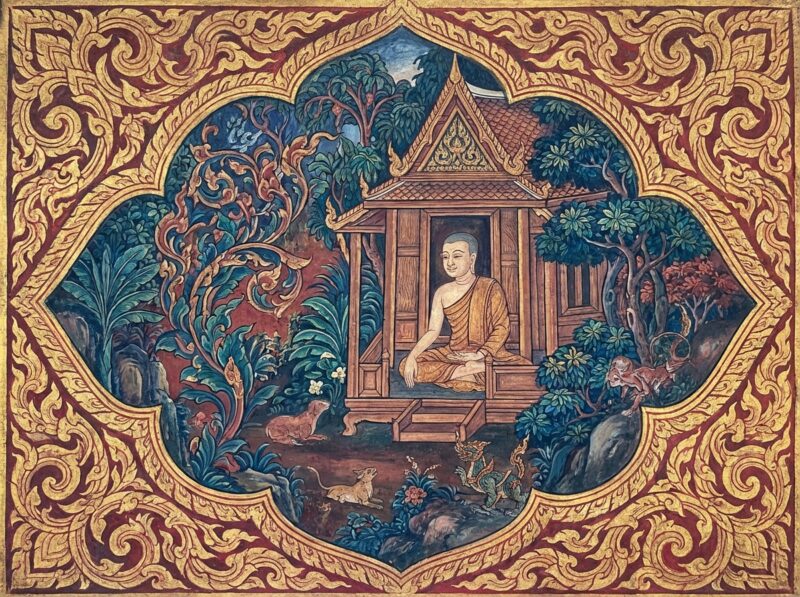
To understand the profound significance of Maricha’s transformation, one must first comprehend the complex genealogy and history that brought this reluctant demon to his fateful decision. Maricha, son of the formidable demoness Tataka and uncle to the ten-headed Ravana, embodied the tragic figure of a reformed soul caught between his demonic heritage and his spiritual aspirations. Unlike many of his rakshasa brethren who reveled in violence and chaos, Maricha had undergone a profound transformation of character, abandoning his violent ways to pursue a life of ascetic contemplation and prayer.
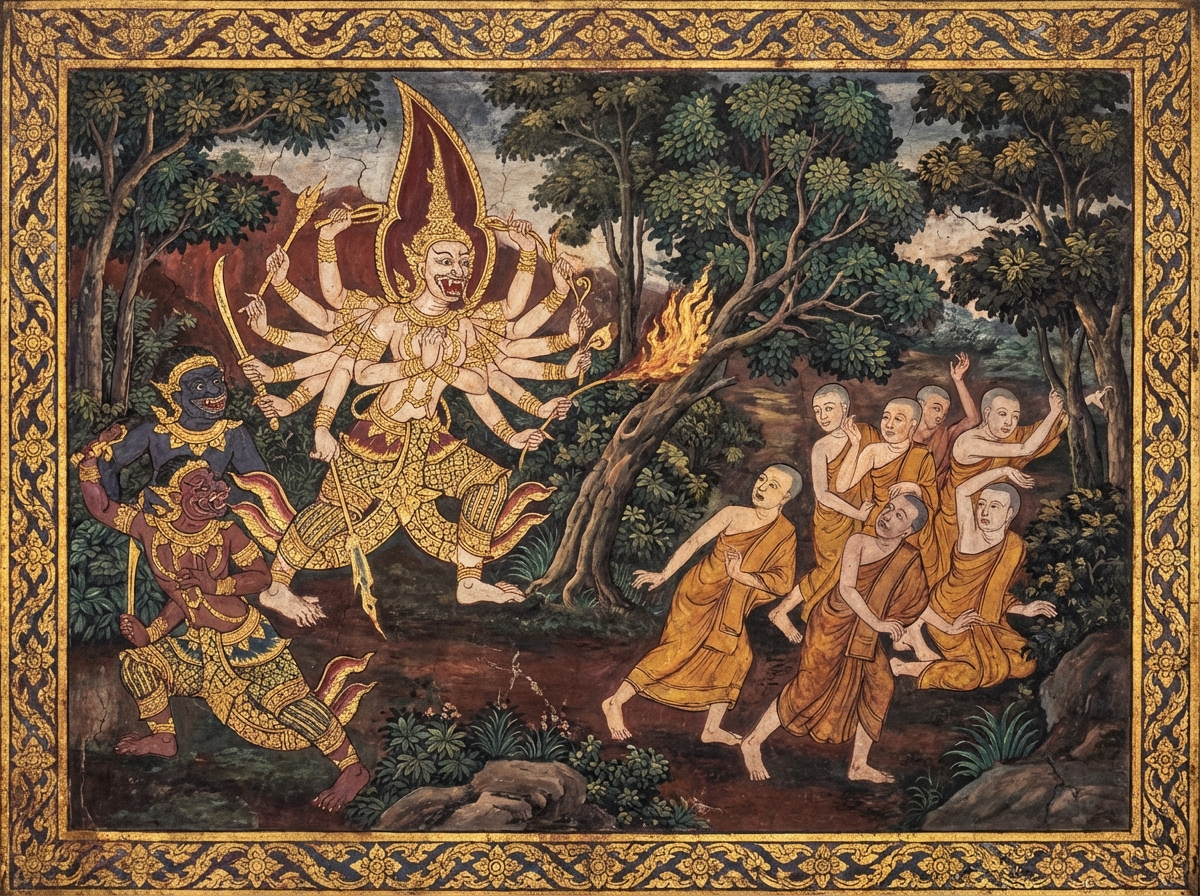
This transformation was not born of mere whim but was forged in the crucible of defeat and humiliation. Years earlier, when Maricha was still consumed by his demonic nature, he had terrorized the sacred groves and hermitages alongside his brother Subahu and their mother Tataka. These demons had made it their malevolent purpose to disrupt the yajnas and penances of the sages, desecrating holy rituals and spreading terror throughout the forest sanctuaries where wise men sought communion with the divine.
The sage Vishwamitra, unable to tolerate this continued menace to the spiritual community, had sought the protection of the young Prince Rama. In that fateful encounter, Rama’s divine arrows had not only defeated but fundamentally transformed Maricha’s understanding of power and purpose. The prince’s supernatural strength and unwavering dharma had struck Maricha with such force that he was hurled across vast distances, landing far from his familiar territories and, more importantly, far from his former way of life.
The Hermit’s Dilemma
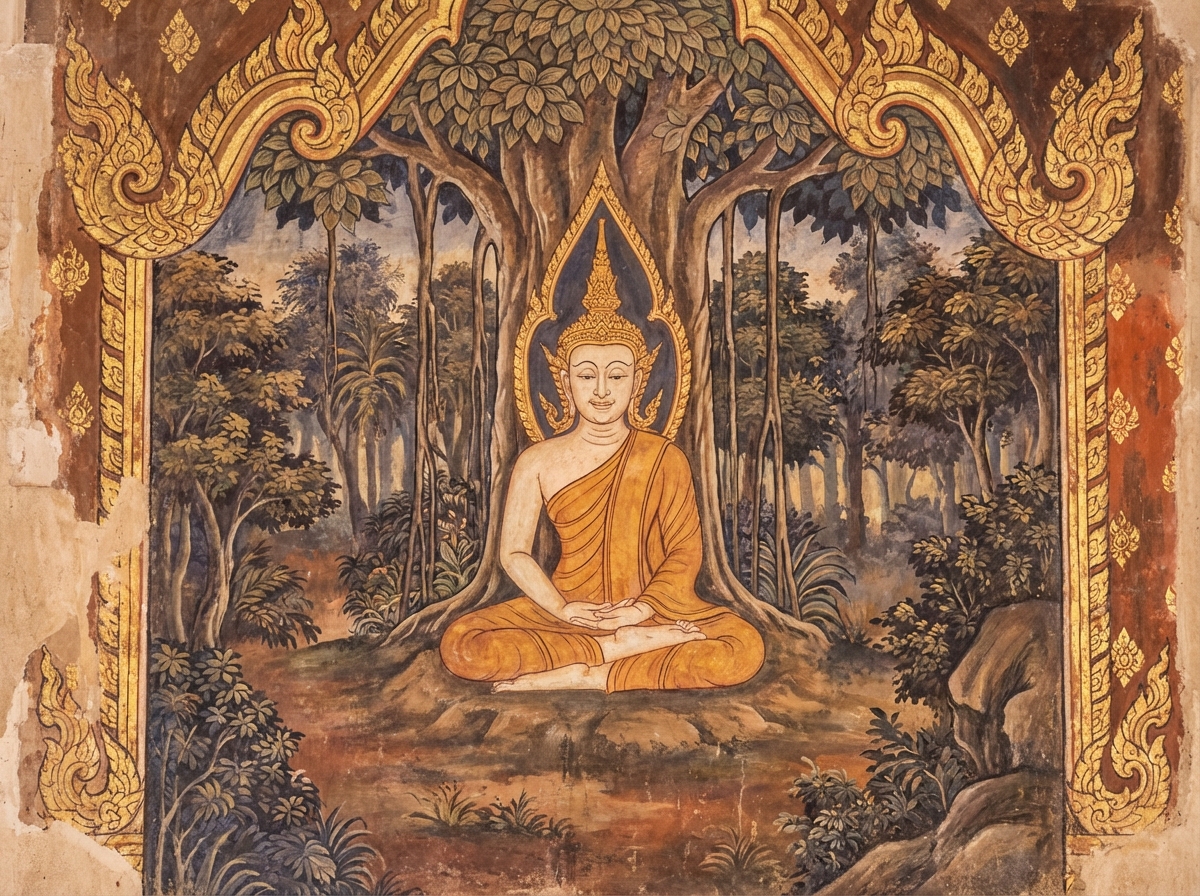
In the years following his defeat, Maricha had established himself as a hermit in a remote corner of the forest, dedicating his existence to meditation and spiritual purification. This transformation represented a remarkable evolution for a being born into the rakshasa lineage, creatures traditionally associated with deception, violence, and opposition to dharmic principles. Maricha’s journey toward redemption demonstrated the universal possibility of spiritual transformation, regardless of one’s origins or past transgressions.
However, the tranquility of his reformed life was destined to be shattered by the arrival of his nephew, Ravana, the mighty king of Lanka. Ravana’s visit was not motivated by familial affection but by a burning desire for revenge against Rama, who had humiliated his sister Surpanakha in the Dandaka forest. Surpanakha, enamored by Rama’s beauty and strength, had approached him with amorous intentions, only to be spurned and subsequently disfigured by Lakshmana, who had cut off her nose and ears as punishment for her inappropriate advances and threats toward Sita.
When Ravana appeared before Maricha’s humble hermitage, the reformed demon immediately sensed the malevolent purpose behind this unexpected visit. Ravana’s presence radiated the same destructive energy that Maricha had once embodied but had worked so diligently to transcend. The ten-headed king’s proposal was as audacious as it was perilous: he sought Maricha’s assistance in abducting Sita, Rama’s beloved wife, as revenge for his sister’s humiliation.
Maricha’s initial response reflected his hard-won wisdom and spiritual maturity. He attempted to dissuade Ravana from this catastrophic course of action, warning him of Rama’s divine nature and incomparable power. Drawing from his personal experience of defeat at Rama’s hands, Maricha eloquently described the prince’s supernatural abilities, his unwavering commitment to dharma, and the inevitable destruction that would befall anyone who dared to harm those under his protection.
“O King of Lanka,” Maricha implored, “you speak of revenge against one whose very presence transforms the hearts of demons. I have felt the power of his arrows, witnessed the divine light that emanates from his being. To challenge Rama is to invite the destruction of our entire race. Abandon this foolish quest for vengeance and preserve your magnificent kingdom.”
The Coercion and Reluctant Agreement
However, Ravana’s pride and rage had blinded him to wisdom’s counsel. The demon king’s ego, inflated by years of unchallenged supremacy and the boons he had received through his severe penances, could not tolerate the thought of his sister’s humiliation going unavenged. Moreover, his lustful desire for Sita, whom he had glimpsed during Surpanakha’s vivid descriptions of her beauty, had become an obsession that overrode all rational consideration.
When persuasion failed, Ravana resorted to threats and coercion. He reminded Maricha of their familial bonds, of the loyalty owed to the royal house of Lanka, and most ominously, of the consequences of refusing a direct command from the king. Ravana’s threats were not empty; his power was absolute within his domain, and his wrath was legendary throughout the three worlds. The reformed demon found himself trapped between his spiritual convictions and the immediate threat to his existence.
Maricha’s capitulation to Ravana’s demands represents one of the most poignant moments in the epic, illustrating the tragic conflict between personal transformation and external circumstances. Despite his genuine reformation and his accurate assessment of the disastrous consequences that would follow, Maricha felt compelled to assist in the very type of evil deed he had renounced. His agreement was accompanied by a prophetic understanding of his own doom: he knew with certainty that this decision would result in his death, yet he felt powerless to resist Ravana’s coercion.
“If I must die,” Maricha reasoned with grim resignation, “let it be at the hands of Rama, whose arrows will ensure my soul’s liberation, rather than suffer the prolonged torment of Ravana’s displeasure.” This statement reveals the depth of Maricha’s spiritual understanding; even in his moment of moral compromise, he recognized the divine nature of his former adversary and the potential for redemption even in death.
The Conception of the Golden Deer
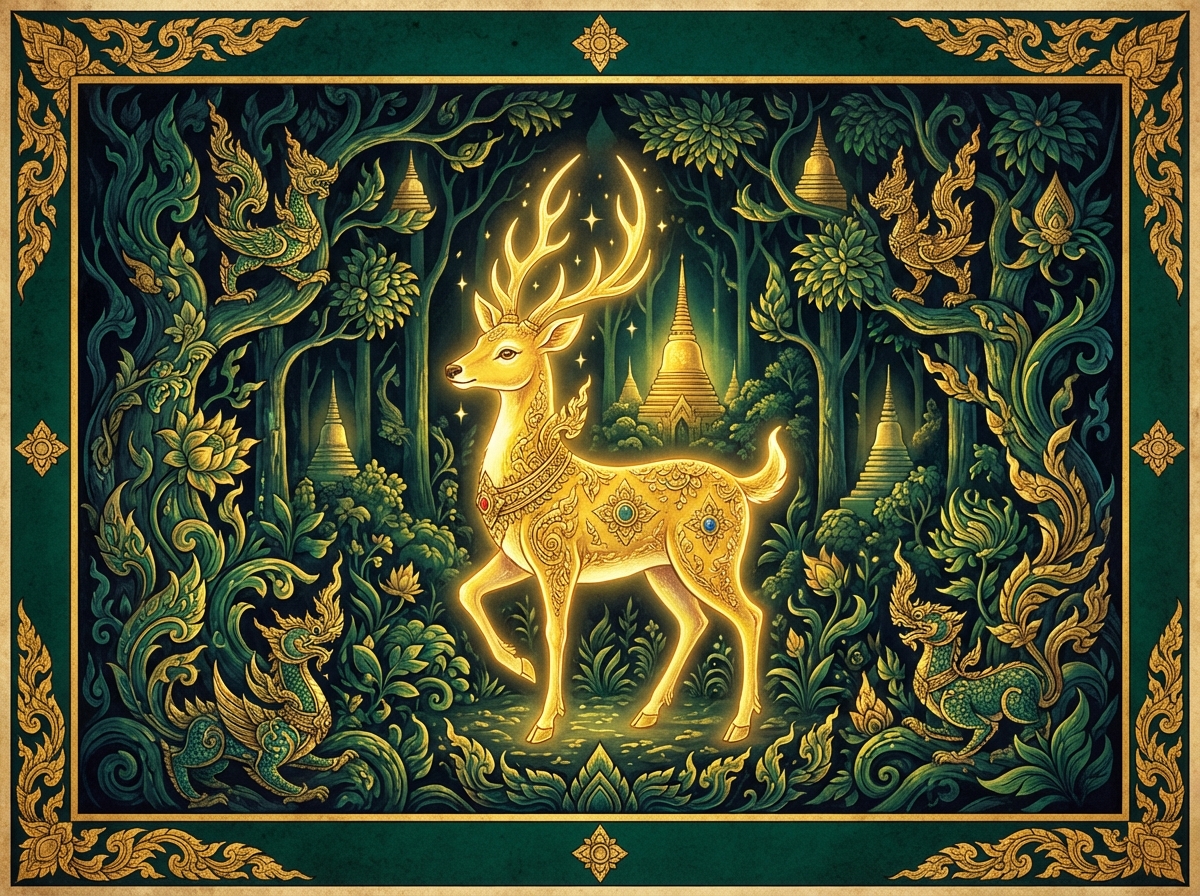
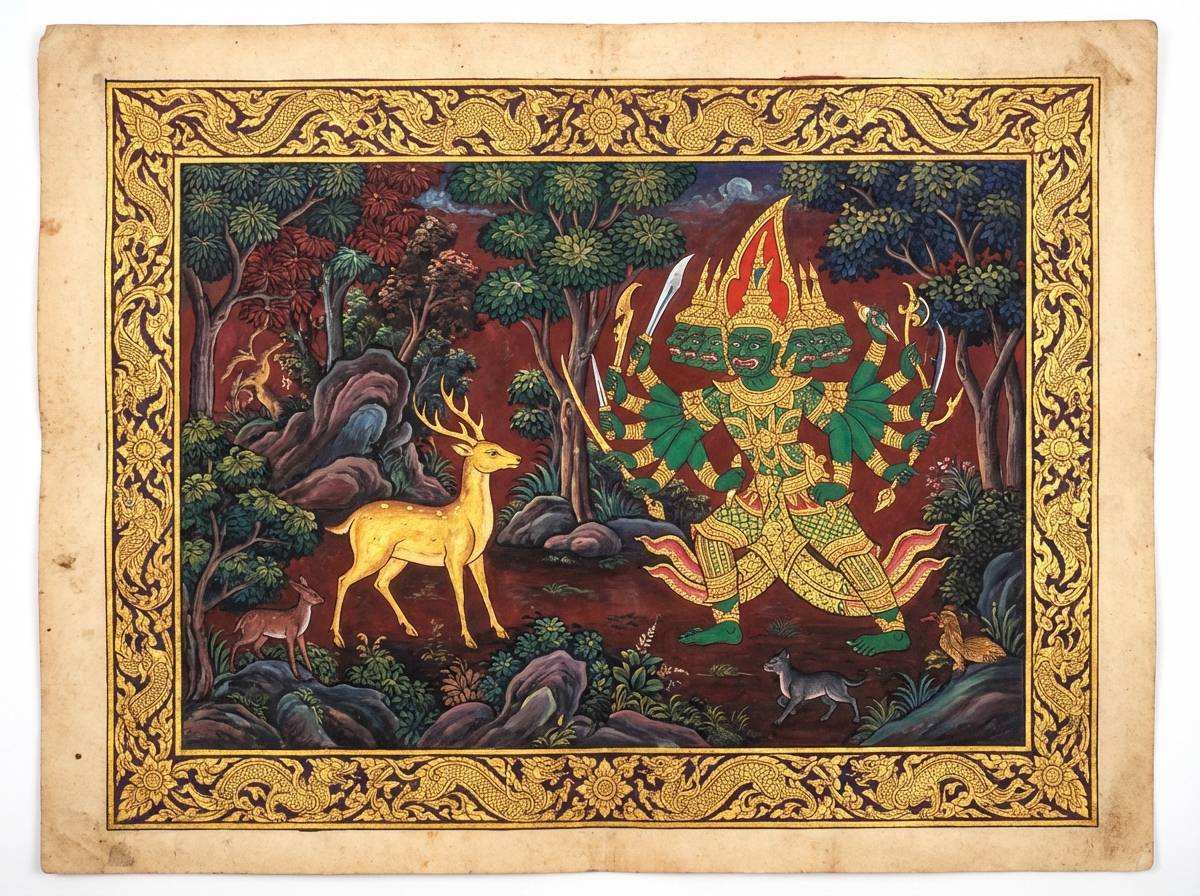
The plan that Ravana and Maricha devised was as ingenious as it was diabolical, exploiting both Sita’s natural feminine sensibilities and the protective instincts of her devoted husband. The scheme required Maricha to employ his considerable shape-shifting abilities—a power common among the more accomplished rakshasas—to transform himself into an irresistibly beautiful golden deer. This creature would be no ordinary forest animal but a supernatural being of such exquisite beauty that it would captivate anyone who beheld it.
The choice of a golden deer was strategically brilliant, appealing to multiple aspects of human psychology and desire. Gold, throughout human civilization, has represented not merely material wealth but divine radiance, purity, and transcendence. A deer made of gold would embody both the graceful beauty of nature and the allure of the precious metal, creating an object of desire that would be virtually impossible to ignore. Moreover, the deer’s apparent docility and beauty would mask any potential danger, making it seem like a harmless, if extraordinary, forest creature.
For Sita, who had spent years in the forest observing and appreciating the natural world, such a creature would represent the ultimate synthesis of natural beauty and divine manifestation. Her desire for the golden deer would not stem from materialistic greed but from an aesthetic and spiritual appreciation for what appeared to be a miraculous creation. In the context of ancient Indian philosophy, where the divine was often perceived as manifesting through extraordinary natural phenomena, a golden deer would seem like a blessed vision worthy of preservation and protection.
The Magical Transformation
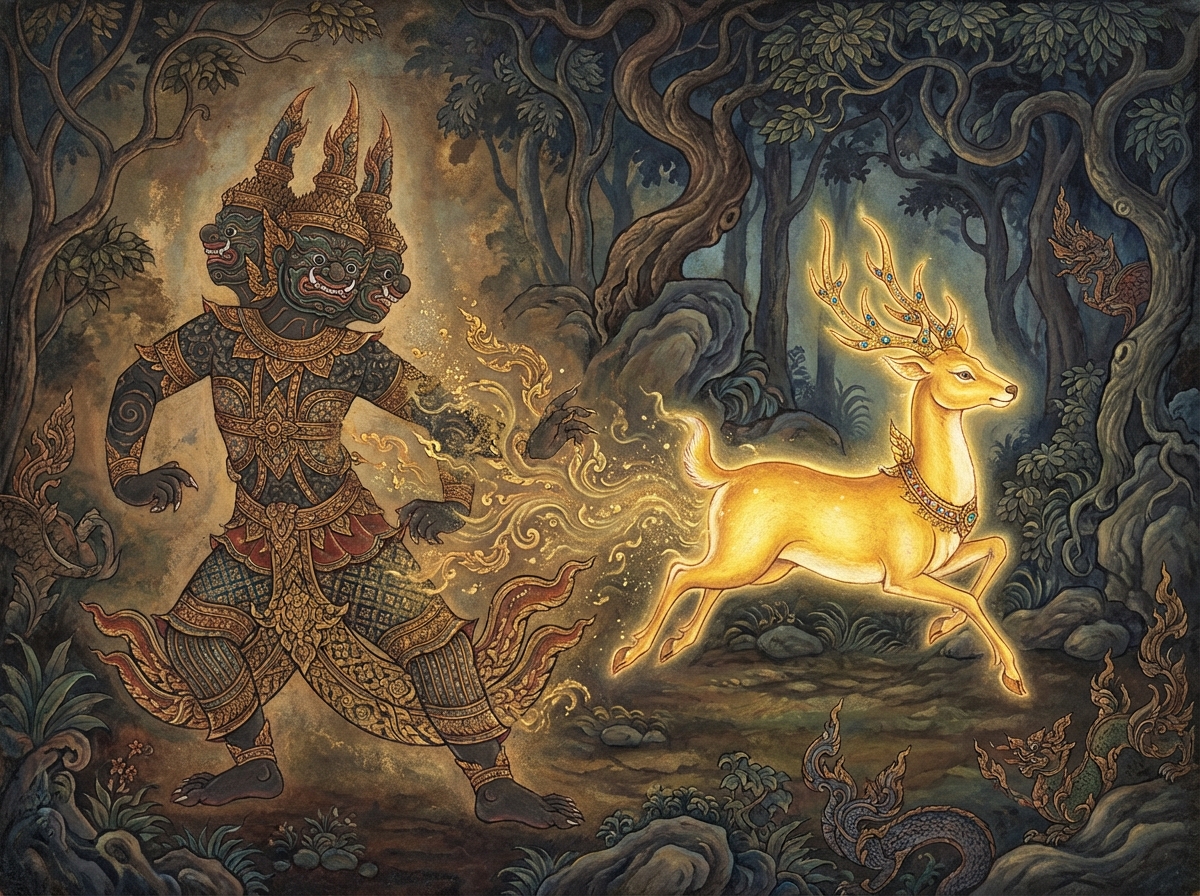
The actual process of Maricha’s transformation into the golden deer represents one of the most vivid demonstrations of rakshasa maya (illusion) in the entire Ramayana. This was not merely a physical shape-shifting but a complete metamorphosis that involved the manipulation of perception, the creation of supernatural beauty, and the suppression of his demonic aura. The transformation required Maricha to draw upon the deepest reserves of his magical abilities, crafting an illusion so perfect that it would deceive even the spiritually advanced Rama and Lakshmana, at least initially.
As Maricha began his transformation, his demonic form gradually dissolved, replaced by the ethereal beauty of the golden deer. His coarse, dark skin became lustrous golden fur that seemed to capture and reflect sunlight with supernatural brilliance. His fierce, predatory features softened into the gentle countenance of a deer, with large, innocent eyes that sparkled like precious gems. His powerful, clawed hands transformed into delicate hooves, and his imposing stature diminished to the graceful proportions of the forest creature he was impersonating.
The magical golden fur was perhaps the most remarkable aspect of the transformation. Each hair seemed to be crafted from pure gold, creating a coat that shimmered and danced with every movement. The deer’s antlers, when present, appeared to be carved from precious metals and adorned with what seemed like celestial jewels. The creature’s movements possessed an otherworldly grace, as if it were floating rather than walking, and its very presence seemed to sanctify the forest around it.
However, this transformation was not without its challenges and limitations. Maintaining such an elaborate illusion required constant concentration and significant expenditure of magical energy. Moreover, Maricha had to suppress not only his physical demonic characteristics but also his natural aura of menace and predation. The golden deer had to embody innocence, beauty, and harmlessness—qualities that were fundamentally opposed to Maricha’s rakshasa nature.
The Approach to Rama’s Hermitage
Once his transformation was complete, Maricha began his careful approach to the hermitage where Rama, Sita, and Lakshmana had established their forest dwelling. This approach required careful timing and strategic positioning to ensure that Sita would be the first to spot the magnificent creature. The golden deer had to appear natural and spontaneous, as if it were simply a forest animal that had wandered into their vicinity, rather than a deliberately placed lure.
Maricha chose the early morning hours for his approach, when the forest was bathed in the soft, golden light of dawn. This timing was strategically perfect, as the natural golden hues of the morning sun would complement and enhance the supernatural radiance of his transformed appearance. The deer moved through the forest with calculated casualness, pausing to graze on tender shoots and leaves, drinking from crystal-clear streams, and generally behaving as any normal deer might in its natural habitat.
The hermitage of Rama was situated in a particularly beautiful section of the Dandaka forest, surrounded by flowering trees, melodious birds, and gentle streams. It was a place of natural harmony and spiritual tranquility, where the presence of the divine prince had created an atmosphere of peace and protection. Into this serene environment, the golden deer introduced an element of supernatural wonder that would prove irresistible to its intended target.
As Maricha grazed in the vicinity of the hermitage, he carefully positioned himself within sight of the dwelling while maintaining enough distance to appear wild and free. The deer’s movements were choreographed to catch the light at precisely the right angles, creating moments of breathtaking beauty that would be impossible to ignore. Every gesture, every turn of the head, every graceful leap was calculated to maximize the creature’s appeal and to draw the observer deeper into fascination and desire.
Sita’s Enchantment
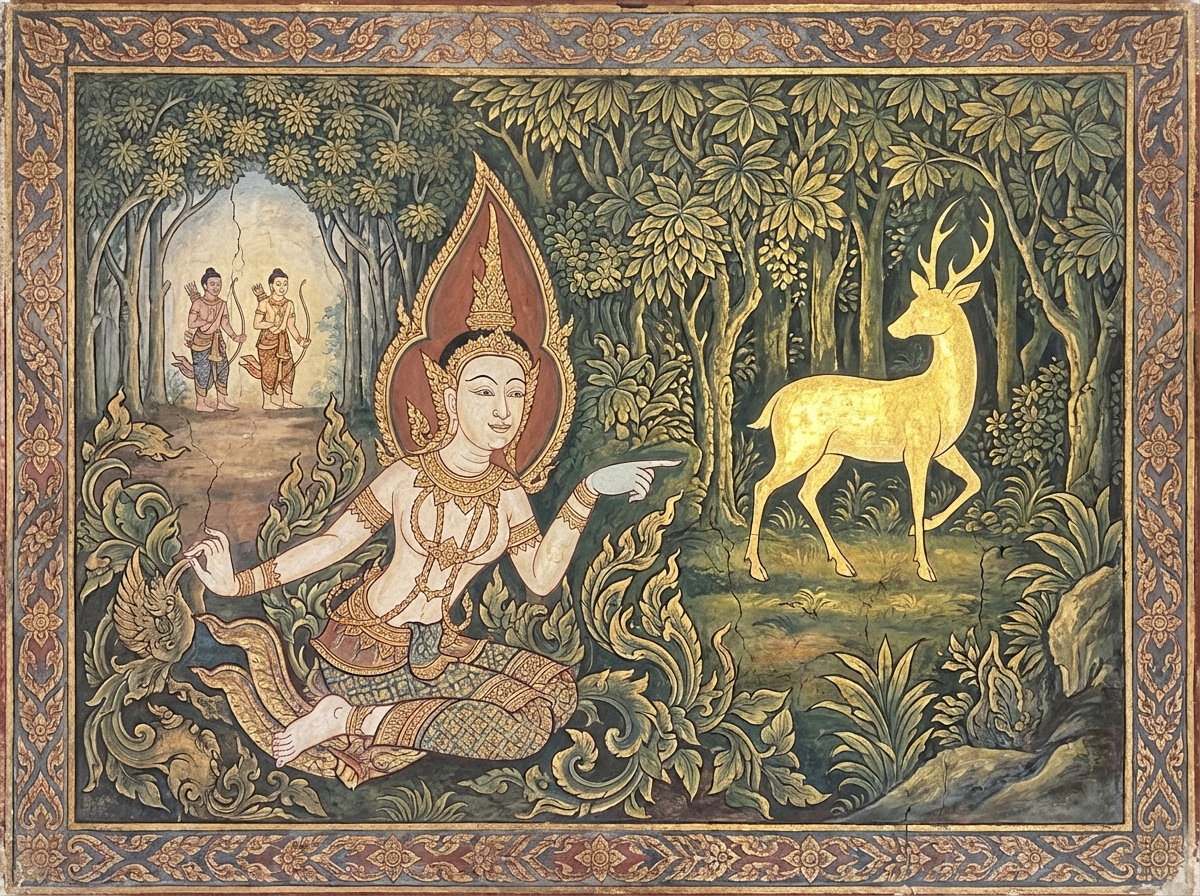
When Sita first glimpsed the golden deer through the trees surrounding their hermitage, her reaction was immediate and profound. The sight of such an extraordinary creature filled her with wonder and delight, representing a moment of pure aesthetic rapture that transcended ordinary experience. For Sita, who possessed a refined sensitivity to beauty and a deep appreciation for the natural world, the golden deer appeared as nothing less than a divine manifestation.
Her initial response was one of breathless amazement. “Rama! Lakshmana!” she called to her husband and brother-in-law, her voice filled with excitement and wonder. “Come quickly and see this marvelous creature! Never in all my years have I beheld such beauty in the forest!”
When Rama and Lakshmana emerged from their dwelling to investigate Sita’s excited calls, they too were struck by the extraordinary appearance of the golden deer. However, their reactions differed significantly from Sita’s immediate enchantment. Both brothers, trained in warfare and experienced in the ways of the forest, possessed a natural wariness that made them suspicious of anything too extraordinary or perfect. Lakshmana, in particular, immediately sensed something unnatural about the creature.
“Brother,” Lakshmana whispered to Rama, “this creature is too perfect, too beautiful to be natural. I suspect some form of rakshasa maya at work here. We should be cautious and not allow ourselves to be deceived by appearances.”
Rama, while sharing some of his brother’s suspicions, was also moved by Sita’s obvious delight and desire. He could see how the sight of the golden deer had filled his beloved wife with joy and wonder, emotions that had been rare during their years of forest exile. The practical considerations of their austere life in the wilderness had left little room for such moments of pure aesthetic pleasure, and Rama was reluctant to deny Sita this source of happiness.
The Growing Desire
As Sita continued to observe the golden deer, her initial wonder transformed into an intense desire to possess this magnificent creature. However, her motivation was not materialistic in nature; she did not wish to kill the deer for its valuable hide or to sell it for profit. Instead, her desire stemmed from a deep appreciation for beauty and a wish to preserve and protect something so extraordinary.
“My dear husband,” Sita said to Rama, her eyes never leaving the golden deer, “this creature is surely a gift from the gods, a sign of divine favor upon our exile. Could we not capture it alive and keep it as a companion? Think how it would brighten our simple dwelling with its presence! And when our exile is complete and we return to Ayodhya, what a wonderful addition it would make to the royal gardens!”
Sita’s request revealed her fundamental goodness and her respect for life. Even in her desire to possess the golden deer, she thought only of capturing it alive and providing it with care and protection. Her vision of the deer gracing the royal gardens of Ayodhya demonstrated her hope for their eventual return and her desire to share this moment of beauty with others.
The golden deer, as if sensing Sita’s attention and desire, began to display even more captivating behaviors. It would approach closer to the hermitage, then dart away playfully when it sensed movement from the humans. It would pause in patches of sunlight, allowing its golden coat to shimmer with maximum effect, then bound gracefully through the forest in displays of supernatural agility and beauty.
Maricha’s performance was masterful, combining the natural behaviors of a deer with subtle supernatural enhancements that made the creature irresistible. The deer’s eyes seemed to hold an almost human intelligence, and its movements possessed a grace that transcended the merely animal. Every aspect of its behavior was calculated to deepen Sita’s fascination and to make the idea of capturing it seem both desirable and achievable.
Rama’s Dilemma
Faced with Sita’s earnest request and obvious delight, Rama found himself in a difficult position. His protective instincts and his deep love for his wife made him want to fulfill her desires, yet his warrior’s training and spiritual insight warned him of potential danger. The golden deer was undoubtedly extraordinary, perhaps too extraordinary to be entirely natural.
Rama’s dilemma was compounded by the isolation of their forest exile and the constant threat of demonic interference. The Dandaka forest was known to be populated by various rakshasas and other supernatural beings, many of whom harbored resentment against Rama for his protection of the sages and his destruction of their evil brethren. The possibility that this golden deer was some form of supernatural trap could not be dismissed lightly.
However, Rama also recognized that their years of exile had been filled with hardship and deprivation for Sita, who had voluntarily abandoned the comforts of palace life to accompany him into the wilderness. She had faced every challenge with grace and courage, never complaining about their austere conditions or expressing regret for her decision to share his exile. If capturing this golden deer would bring her joy and comfort, Rama felt obligated to make the attempt, despite his reservations.
“Lakshmana,” Rama said to his brother, “I share your suspicions about this creature, but I cannot bear to see Sita’s disappointment if we simply ignore her request. Perhaps we are being overly cautious. Even if this is some form of supernatural being, what harm could come from attempting to capture a single deer?”
Lakshmana’s response was immediate and emphatic. “Brother, I implore you to reconsider. This creature reeks of deception and supernatural manipulation. No good can come from pursuing it. Let us remain together and protect Sita rather than be drawn away by this obvious lure.”
The Fatal Decision
Despite Lakshmana’s warnings and his own misgivings, Rama ultimately decided to pursue the golden deer. This decision was motivated not by recklessness or poor judgment, but by his deep love for Sita and his desire to fulfill her wishes. In the complex moral universe of the Ramayana, even the most virtuous characters sometimes make decisions that lead to unforeseen consequences, demonstrating the intricate workings of karma and destiny.
Rama’s decision to pursue the deer also reflected his confidence in his own abilities and his faith in divine protection. As an avatar of Vishnu, Rama possessed supernatural powers and divine weapons that made him capable of facing any threat. His previous victories over powerful demons had perhaps given him a sense of invincibility that made the potential danger seem manageable.
“Very well,” Rama announced, taking up his bow and arrows. “I will pursue this golden deer and attempt to capture it for Sita. Lakshmana, you must remain here and protect our beloved. Under no circumstances should you leave her side, regardless of what you may hear or what may seem to transpire.”
This instruction to Lakshmana proved to be prophetic, as Rama seemed to sense that the pursuit of the golden deer might involve some form of deception or trickery that could endanger Sita if she were left unprotected. His emphasis on Lakshmana remaining with Sita regardless of circumstances demonstrated his awareness of the potential for supernatural manipulation.
As Rama set off in pursuit of the golden deer, the creature led him deeper and deeper into the forest, always staying just beyond the range of capture but never so far away as to discourage pursuit. Maricha’s performance continued to be masterful, displaying just enough apparent fear and wildness to seem like a genuine animal while maintaining the supernatural beauty that had initially captivated Sita.
The Chase and Its Consequences
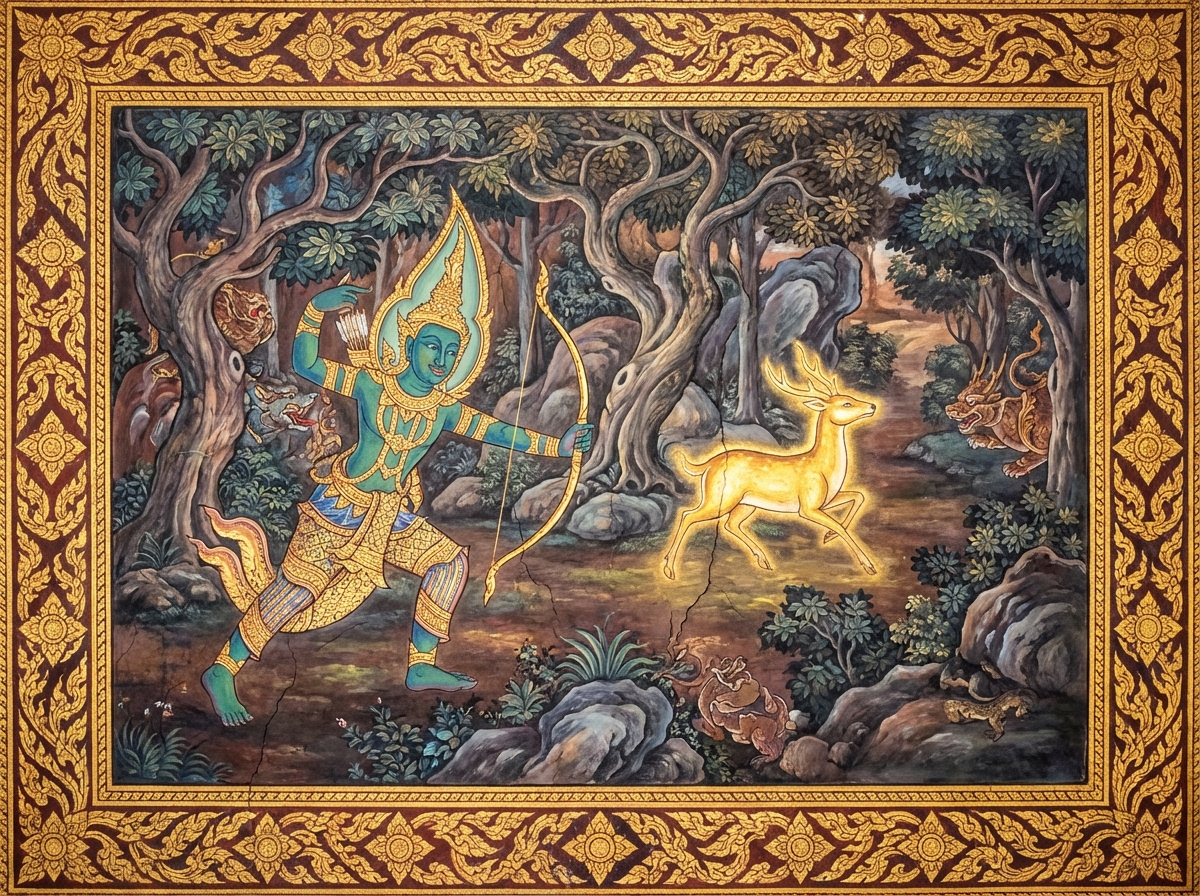
The pursuit of the golden deer led Rama far from his hermitage, through dense forests and across rushing streams. The deer’s supernatural speed and agility made it a challenging quarry, always managing to stay just ahead of Rama’s attempts at capture. As the chase continued, Rama began to realize that this was no ordinary deer and that his initial suspicions had been correct.
Finally, recognizing the futility of attempting to capture the creature alive and sensing the growing danger of being led so far from Sita, Rama decided to end the chase with a well-aimed arrow. His divine weapon struck the golden deer with unerring accuracy, and as Maricha felt the arrow pierce his heart, he knew that his prophetic understanding of his fate had been fulfilled.
In his dying moments, Maricha employed one final act of deception. Using his remaining magical power, he called out in a perfect imitation of Rama’s voice: “Lakshmana! Sita! Help me! I am in great danger!” This false cry for help was designed to draw Lakshmana away from Sita, leaving her vulnerable to Ravana’s abduction.
The death of Maricha marked the end of a tragic figure who had sought redemption but was ultimately destroyed by the very evil he had tried to escape. His transformation into the golden deer and his role in Sita’s abduction represented not just a moment of deception, but a complex interplay of karma, duty, and the inexorable workings of destiny that would ultimately lead to Ravana’s downfall and the triumph of righteousness.
Epilogue: The Consequences of Deception
The episode of Maricha’s transformation into the golden deer serves as a pivotal moment in the Ramayana, demonstrating how even the most elaborate deceptions ultimately serve the cause of dharma. While Maricha’s actions facilitated Sita’s abduction and caused immense suffering, they also set in motion the events that would lead to Ravana’s destruction and the establishment of Rama’s righteous rule.
Maricha’s story remains a powerful reminder of the complex nature of moral choice and the tragic consequences that can result when individuals are caught between competing loyalties and pressures. His transformation from violent demon to reformed hermit to reluctant accomplice illustrates the ongoing struggle between good and evil that exists within all beings, and the ultimate triumph of divine justice over temporal power and deception.
In the broader context of the Ramayana, the golden deer episode represents a masterful example of how the epic uses supernatural elements to explore profound themes of duty, love, sacrifice, and the ultimate victory of righteousness over evil. The beauty and tragedy of Maricha’s story continue to resonate with readers and audiences, serving as a timeless reminder of the complex moral universe in which we all must navigate our choices and face the consequences of our actions.
