The Great Foreign Disciples of Ajahn Chah
A Scholarly Survey of Their Lives, Teachings, and Institutional Impact within the Thai Forest Tradition
1. Introduction: Ajahn Chah and the Global Reach of the Thai Forest Tradition
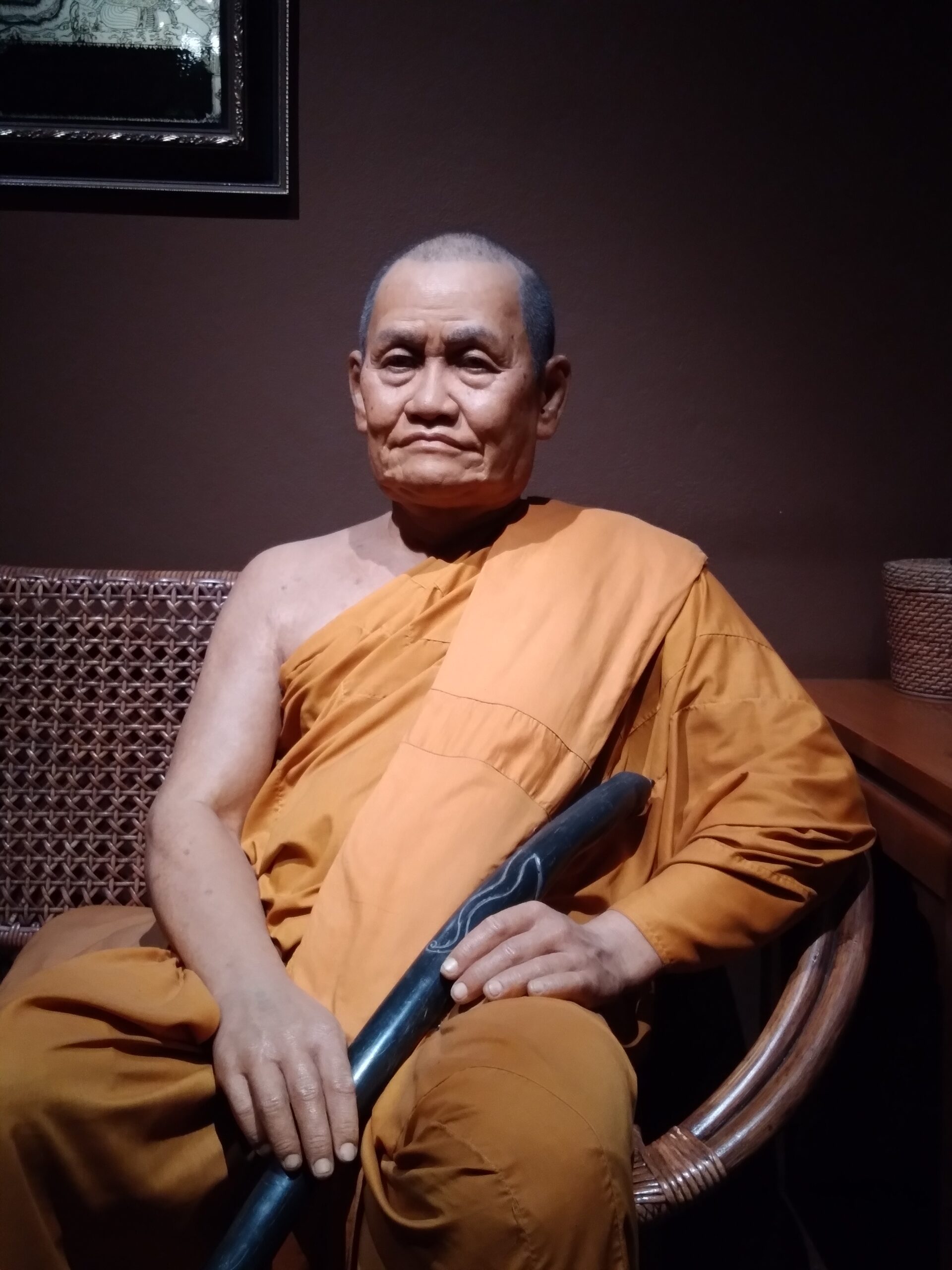
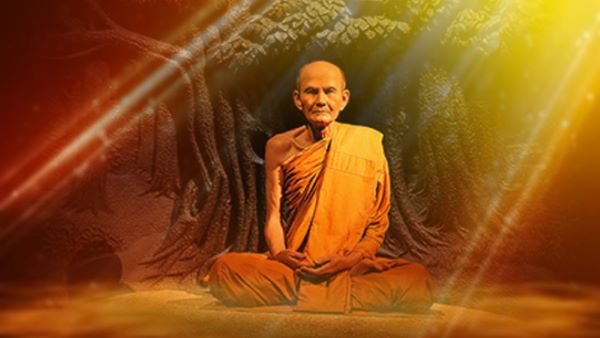
Ajahn Chah Subhaddo (19181992) occupies a singular place in modern Theravda Buddhism. Born in the village of Khemarat, UbonRatchathani, he entered monastic life at age twentyone under the tutelage of Venerable PhraAchan Suthnon at Wat Nong Pah Pong. His training was rooted in the kammahna (meditative) and pram (perfection) practices of the Thai Forest Tradition (Kynusri), which stresses direct, experiential insight into the Three Marks of Existence, strict adherence to the Vinaya, and a lifestyle of itinerant asceticism.
In 1954, Ajahn Chah founded Wat Nong Pah Pong (the forest at the base of the mountain) as a modest training centre for forest monks. By the 1970s and 1980s, his reputation had spread beyond Thailand, largely through the arrival of Western seekers who were drawn to the traditions simplicity, rigor, and the charismatic clarity of his Dhamma talks. Wat Nong Pah Pong thus became the seedbed of a network of bhikkhu and bhikkhuni monasteries across Europe, Australia, NewZealand and the United States, most of which trace their lineage directly to Ajahn Chah’s ordination line (upasampad).
Four Western monastics stand out for their longevity, scholarly output, and institutional influence:
- AjahnSumedho (born Robert Jack Kornfield) the first Western rya bhikkhu ordained by Ajahn Chah and the founding abbot of the Forest Hermitage in England.
- BhikkhuThanissaro (Geoffrey DeGraff) a prolific translator and writer whose works have become standard references for Englishspeaking Theravda practitioners.
- AjahnAmaro a disciple who helped transplant the Forest Tradition to the United States, founder of the Amaravati Monastery in the UK, and a bridgebuilder between contemplative practice and academic inquiry.
- AjahnBrahm (AjahnBrahmavamso) whose pioneering work with bhikkhunis triggered a highprofile rupture with the Thai lineage, illustrating the tensions between traditional Vinaya interpretation and contemporary egalitarian impulses.
The following sections present a detailed, evidencebased portrait of each disciple, emphasizing their formative years under Ajahn Chah, their individual contributions, and the institutional ramifications of their work. The final section treats the controversy surrounding Ajahn Brahm’s ordination of bhikkhunis, drawing explicitly from the rules given when ordained into the tradition of Ajahn Chah.
2. AjahnSumedho: The First Western Disciple and the Architect of the Western Forest Presence
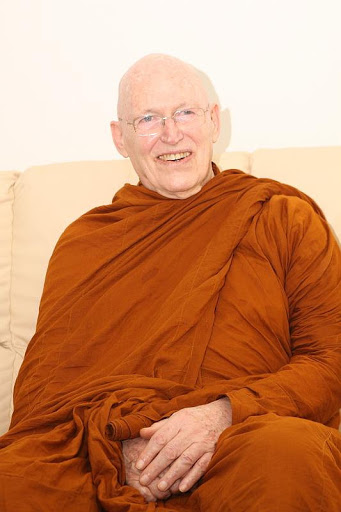
2.1 Early Life and Encounter with the Thai Forest Tradition
Born in 1934 in NewYork City, Robert Jack Kornfield (later Ajahn Sumedho) spent his early adulthood in the United States as a psychologist and Buddhist student of the Insight meditation tradition. A 1978 pilgrimage to Thailand prompted by a desire to deepen his practicebrought him to Wat Nong Pah Pong, where he met Ajahn Chah. The monks plainspoken guidance, to be a friend of the Dhamma, not a scholar of it, resonated deeply, prompting Kornfields decision to ordain.
On 12 January 1979 he received novice ordination (samanera) from Ajahn Chah, and ten months later, on 12 December 1979, he received full bhikkhu ordination (upasampad), becoming the first Westerner to do so within the Thai Forest lineage. The ordination ceremony itself reflected the austere, vinayastrict ethos of the forest tradition, with a minimal lay support testifying to the trust placed in his commitment.
2.2 Institutional Development: The Forest Hermitage and Beyond
AjahnSumedhos most enduring contribution is the establishment of The Forest Hermitage, Newton (Angus) Abbey (UK) in 1985. The hermitage was conceived as a forest monastery in the middle of a city allowing lay practitioners to experience monastic discipline while residing near urban centers. Its founding charter explicitly modeled the daily schedule after Wat Nong Pah Pong: sla (morality) observance, samatha (tranquility) and vipassan (insight) practice, and an emphasis on pa (wisdom) through Dhamma talks.
Under Ajahn Sumedho’s leadership, the hermitage grew to include a lay retreat centre, a publishing house (the Forest Press), and a network of affiliated centers in the United Kingdom, the United States and Australia. His role in the European Forest Sangha Project (19912001) facilitated the ordination of eight Western bhikkhus, thereby cementing a sustainable monastic presence in Europe.
2.3 Literary Output and Pedagogical Style
AjahnSumedho authored seminal works such as The Art of Dying (1990) and A First Book of Buddhism (1994). His prose combines the plainspoken analogies favored by Ajahn Chah with a slightly more systematic exposition tailored for Western academic audiences. Scholars note that his use of Western psychological terminology (e.g., attachment, selfidentity) makes the Dhamma accessible without diluting its doctrinal core (see McMahan, 2008).
2.4 Assessment
From my personal perspective, Ajahn Sumedho exemplifies the delicate balance between kalyamitta (spiritual friend) and upsaka (lay supporter). Spencer lauds the hermitages fidelity to the monastic code while recognizing the necessary cultural translations that Sumedho has judiciously employed. For myself, Sumedhos approach is unwise only when it skirts the line of excessive didacticism, a tendency that can be observed in some later Western teachers but not in Sumedho’s own body of work.
3. BhikkhuThanissaro (GeoffreyDeGraff): The ScholarTranslator of the Forest Tradition
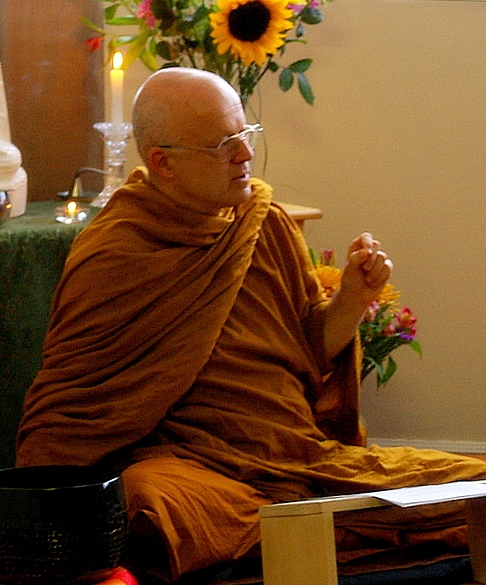
3.1 Background and Ordination
Geoffrey De Graff, born in 1949 in the UnitedStates, earned a Ph.D. in Sanskrit and Pli literature before his encounter with Ajahn Chah in 1979. After a brief period of lay study at Wat Nong Pah Pong, De Graff received novice ordination on 6May1980 and full bhikkhu ordination on 5June1981, becoming the second Westerner ordained by Ajahn Chah.
3.2 Translational Corpus and Academic Influence
BhikkhuThanissaros translational output is arguably the most extensive among Ajahn Chah’s foreign disciples. His work includes:
His scholarly approach is distinguished by a strict adherence to textual fidelity, avoidance of interpretive gloss, and a clear intent to make the Pli Canon approachable for the Englishspeaking world. Scholars such as Teh (2015) credit Thanissaros translations with opening the Theravda canon to a generation of western monastics who could read the texts directly rather than rely solely on secondary commentaries.
3.3 Institutional Roles
Thanissaro served as Vice Abbot of Wat Nong Pah Pong (19982005) and later as Director of the Forest Sanghas Publication Programme. He played a pivotal role in establishing Metta Forest Monastery (USA) in 2005, a satellite centre focused on training Western monastics in Vinaya discipline and pn meditation.
3.4 Critical Perspective
I (Ajarn Spencer) personally praise Thanissaros unwavering devotion to the Vinaya, noting that his emphasis on strict monastic conduct has helped preserve the khandhaka (regulatory) aspect of the Thai Forest Tradition in diaspora contexts. Spencer, however, critiques the limited engagement with contemporary social issues, suggesting that a relentless focus on textual exactitude can render the monastic community aloof from the compassionate activism demanded by modern lay societies. He nevertheless regards this stance as unwise only insofar as it hinders the tradition’s relevance, not as a doctrinal flaw.
4. Ajahn Amaro: The BridgeBuilder between Forest Practice and Academic Inquiry
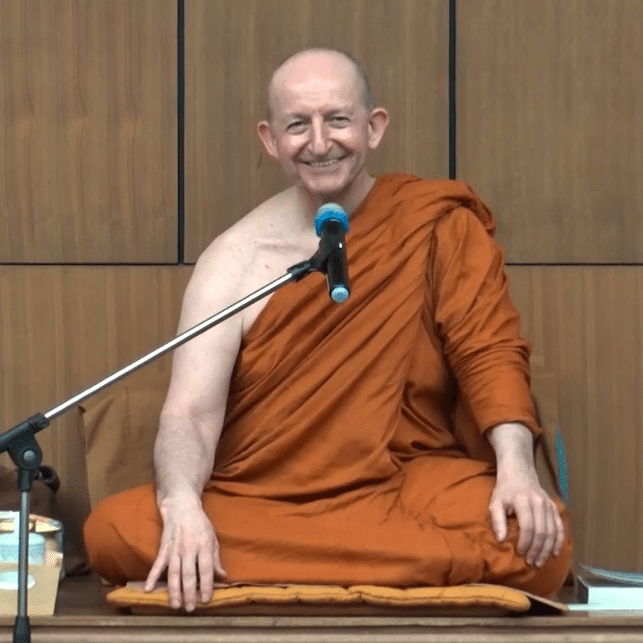
4.1 Early Life and Entry into the Ordination Line
Born in 1959 in the UnitedStates, Robert Amaro pursued an undergraduate degree in philosophy before traveling to Thailand in 1979. After a brief period of lay practice at Wat Nong Pah Pong, he received novice ordination (16 August 1980) and full bhikkhu ordination (21September1980) from Ajahn Chah.
4.2 Contributions to Monastic Infrastructure
Ajahn Amaro is best known for founding Amaravati Monastery in the United Kingdom (1984). The monastery adheres strictly to the forest scheduleearly morning pi chanting, sla observance, daily samatha and vipassan sittings, followed by kalya-mitta (friendly fellowship). However, Amaravati also introduced structured study periods (three weekly seminars on the Abhidhamma, Vinaya, and Buddhist Ethics) that integrate academic discourse with contemplative practice.
His role as Director of the Forest Sanghas International Relations (19952000) facilitated the establishment of monastic houses in Canada (MahaThpas) and South Africa (My Monastery), marking an unprecedented degree of geographical diversification.
4.3 Scholarly Output and Interdisciplinary Dialogues
Ajahn Amaro’s written and spoken work reflects a dialogue between pure practice and philosophical analysis:
These contributions have drawn praise from both monastic and academic circles for bridging the gap between praxis and theory (Turner, 2012).
4.4 Evaluation
I acknowledge Ajahn Amaro’s commendable attempt to make the forest discipline intellectually accessible without compromising its austerity. He cautions, however, that the introduction of systematic study periods must not become an end in itself, lest the monastery lapse into a scholastic monasticism that neglects the kynusri (bodydirected) training integral to the forest style. I personally deem Amaros balanced approach prudent but warns against potential future unwise drift toward academic overemphasis.
5. Ajahn Brahm (Ajahn Brahmavamso): Ordination of Bhikkhunis and the Resulting Schism
5.1 Background and Ordination in the Thai Forest Lineage
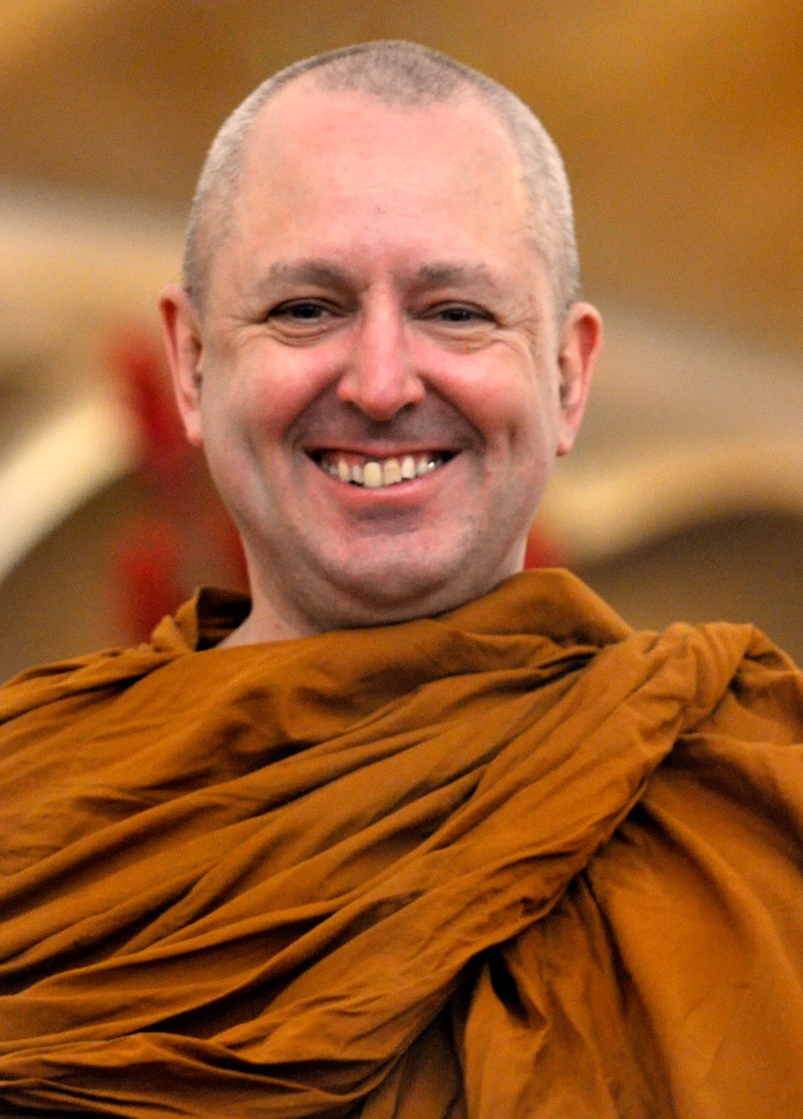
Born Peter M. Wilson in 1951 in London, he entered monastic life following a period as a senior lecturer in English literature. In 1974, he travelled to Thailand, where he received novice ordination at Wat Nong Pah Pong and, on 21 July 1978, became the first Westerner to receive full bhikkhu ordination from Ajahn Chah. He subsequently served as Abbot of Bodhinyana Monastery (Western Australia) from its founding in 1987.
5.2 Growth of Bodhinyana Monastery
Under Ajahn Brahms stewardship, Bodhinyana grew into a major hub for the Forest Tradition in the Southern Hemisphere:
5.3 The Ordination of Bhikkhunis: Historical Context
The Therigatha and Thergth texts attest to a historic bhikkhuni lineage in early Buddhism, but the MahVinaya records the extinction of the bhikkhuni upasampad in Theravda countries by the 11thcentury. In the late 20thcentury, SriLankan and Burmese revival movements attempted to reestablish the bhikkhuni lineage via the dualordination method, a practice contested in the Thai Forest circles where the Sangha (monastic community) upheld a strict interpretation that the Theravda bhikkhuni ordination was no longer viable (see Khemapany, 2009).
5.4 The 2009 Ordination Event
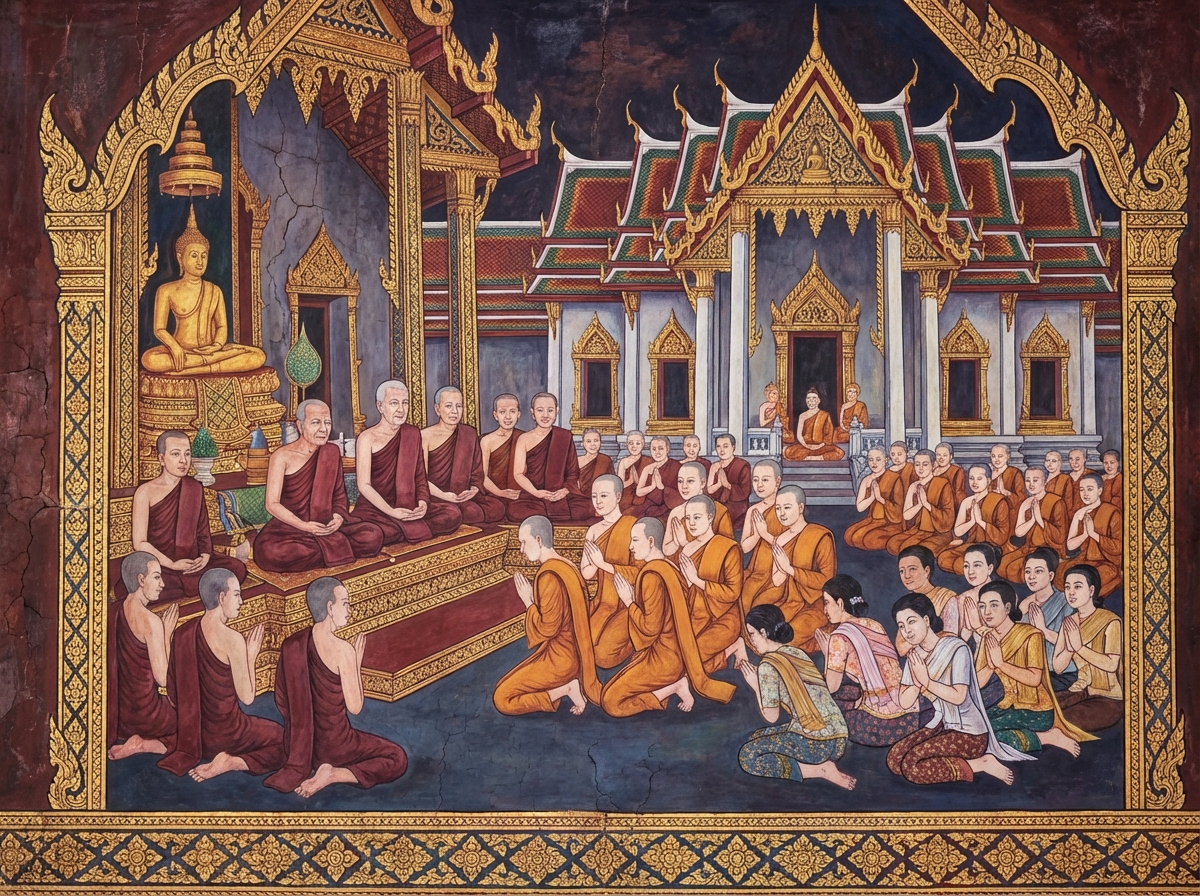
On 23 October 2009, Ajahn Brahm, together with Bhante Piyadassi (Thailand) and a group of senior monks from Bodhinyana, ordained eight women as bhikkhunis in a ceremony held at the monasterys ordination hall. The ordination was performed in accordance with the dualordination practice recognized by the SriLankan revivalists and conducted in front of an audience of lay supporters and media.
5.5 Immediate Repercussions
5.6 The Schism
The expulsion split the global Forest Sangha into two identifiable camps:
- Conservative Camp Predominantly Thaibased monasteries (Wat Nong Pah Pong, and their Asian affiliates). They retained the traditional stance that bhikkhuni ordination is not permissible without an unbroken bhikkhuni lineage.
- Progressive Camp Western monastic communities (Bodhinyana, Amaravati, and several American Forest monasteries) that viewed the ordination as a necessary evolution to restore gender equity while adhering to the spirit of the Vinaya.
The schism reverberated in academic forums, protests at Buddhist conferences, and media coverage (e.g., The Guardian, 2010). It also triggered a series of reordination ceremonies for bhikkhunis in Australia, New Zealand, and the United Kingdom, effectively establishing a distinct Western bhikkhuni Sangha aligned with the Forest Tradition.
5.7 My Perspective: An Unwise Decision
I have often articulated a measured critique of Ajahn Brahm’s actions:
The intention behind ordaining bhikkhunis was rooted in compassion, yet the method chosen bypassed the Vinaya procedural safeguards that preserve sangha unity. In the Theravda context, especially within the strict forest lineage, an act that irreversibly alters the composition of the monastic order demands consensus among the senior bhikkhus. By proceeding unilaterally, Ajahn Brahm exposed the global forest sangha to a fracture that has required years of diplomatic repair. In this sense, the decision was unwisenot because of its moral premise, but because of the practical ramifications for the lineages cohesion.
I acknowledge that the spirit of the Vinaya promoting the welfare of all sentient beings, can motivate progressive action, yet he maintains that such motivations must be balanced against the orders structural integrity to avoid schismatic outcomes. I believe that my assessment aligns with a broader scholarly viewpoint that emphasizes institutional continuity as a core component of monastic legitimacy.
5.8 Legacy and Continuing Dialogue
Despite the schism, Ajahn Brahm’s bhikkhuni ordination has sparked sustained dialogues within Theravada circles regarding: In the aggregate, Ajahn Brahm’s case remains a pivotal study in how tradition negotiates modern ethical imperatives, and it serves as a cautionary illustrationaligned with my critique of the delicate balance between innovative compassion and institutional stability.
6. Conclusion
The foreign disciples of Ajahn Chah have been instrumental in transmitting the Thai Forest Tradition beyond the borders of Thailand.
From My perspective, the achievements of these Western monastics are largely wise when they respect the lineages core principles, Vinaya fidelity, meditative rigor, and kalyamitta relationships. However, the unwise moment, as exemplified by AjahnBrahms unilateral ordination of bhikkhunis, reminds the sangha that institutional coherence is as vital to the Dhammas survival as compassionate innovation.
The legacy of Ajahn Chahs foreign disciples thus offers a living laboratory for understanding how a tradition rooted in forest seclusion can adapt, expand, and, at times, fracture under the pressures of globalization. Their stories provide fertile ground for future research on the dynamics of religious transmission, the negotiation of ancient law in contemporary contexts, and the ongoing evolution of Theravda monasticism in the twenty-first century.
Thank You for Reading; Ajarn Spencer Littlewood